
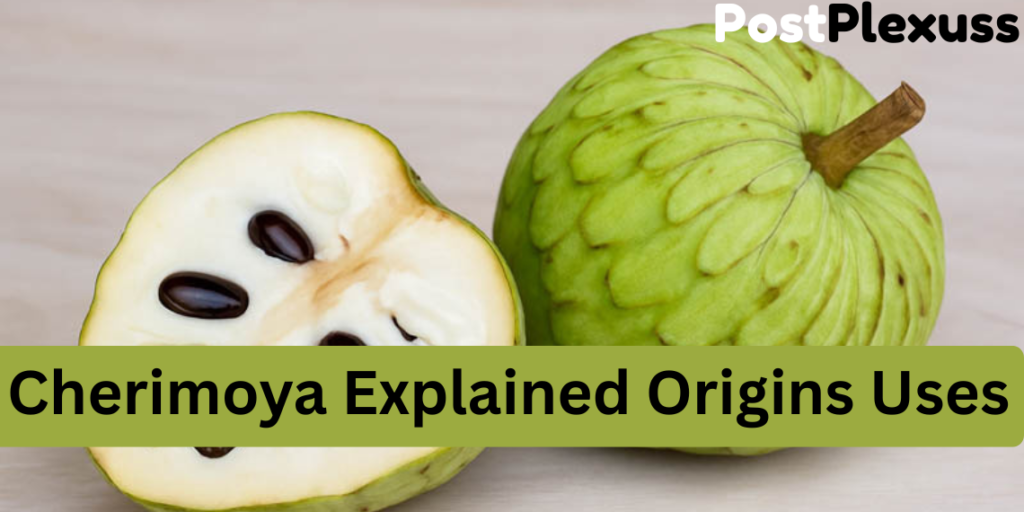

Have you ever stumbled upon a fruit that looks like it belongs in a Dr. Seuss book but tastes like a dream? If you haven’t met the yet, you’re in for a treat. Often described as the “custard apple,” this quirky, green, scale-like fruit is a favorite among those lucky enough to find it. Its scientific name is annona cherimola, placing it in a family of some truly fascinating tropical treats. While it might not be as common as an apple or a banana, its popularity is quietly growing, especially among folks who love seeking out exotic flavors. People fall for its sweet, creamy flesh and the fact that it feels like a real discovery every time you eat one.
A Trip Back in Time: Where Cherimoya Comes From
The story of the starts way up in the cool, elevated valleys of the Andes Mountains. This fruit is a true Andean fruit, with its roots firmly planted in the landscapes of Peru and Ecuador. For centuries, it was cultivated and cherished by local communities long before the rest of the world caught on. You can still find incredible in Ecuador and from Peru today, where the climate is just right for them to flourish.
From its South American birthplace, the began to travel. Spanish explorers and traders, captivated by its unique flavor, helped spread it to other parts of the world with similar gentle climates. It found a particularly welcoming home in the Mediterranean and, later, in parts of California. Now, you can find grown in California from late winter through spring, a testament to how this south american tropical fruit has adapted to new corners of the globe. It’s a global traveler that carries the taste of its Andean homeland in every bite.
What Does a Cherimoya Actually Taste Like?
Okay, this is the fun part. Describing the taste of a fresh cherimoya is a delicious challenge. The most common description you’ll hear is that it tastes like a banana pineapple flavor combo, but that’s just the start. Some people swear they get hints of strawberry, pear, or even a little bubblegum. The flavor is delicate, not overwhelmingly sweet, and wonderfully complex.
But the taste is only half the experience. The texture is what really seals the deal. When a ripe cherimoya is ready to eat, its flesh is incredibly soft. You can easily scoop it out with a spoon, revealing a sweet custard texture that’s smooth, creamy, and almost buttery. It’s this soft white pulp fruit that melts in your mouth, making it feel more like a decadent dessert than a piece of produce. No wonder it’s often called the custard apple!
Getting to Know the Cherimoya’s Cousins
The cherimoya isn’t alone in the tropical custard fruits family. It has some pretty interesting relatives you might have heard of:
The cherimoya isn’t alone in the tropical custard fruits family. It has some pretty interesting relatives you might have heard of:
Annona squamosa: Better known as the sugar apple or sweetsop. It’s smaller than a cherimoya, with a knobby skin and segments of custardy flesh that each contain a seed. It’s a bit grainier in texture but just as sweet.
Annona muricata: This is the famous soursop or graviola. It’s a much larger fruit, often with a spiny green skin. The flavor is distinctly tangy and sour, a sharp contrast to the cherimoya’s gentle sweetness. It’s fantastic in drinks.
Annona reticulata: Commonly called the custard apple or bullock’s heart, this one sits somewhere in the middle. Its flesh is less flavorful than the cherimoya, often described as simply sweet and a bit grainy.
More Than Just a Sweet Treat: Cherimoya Nutrition Facts
While it tastes like an indulgence, the cherimoya is packed with goodness. Looking at cherimoya nutrition facts, you’ll find it’s a surprisingly healthy choice. It’s a good source of dietary fiber, making it a high fiber fruit that’s great for digestion. It’s also loaded with vitamin C, so you can think of it as an immune boosting fruit that helps your body stay strong. And if you’re watching your mineral intake, you’ll be happy to know it’s a potassium rich fruit, which is important for heart health and muscle function. With a host of vitamins and plant compounds, it truly is an antioxidant tropical fruit, offering benefits that go far beyond its delightful flavor. It’s a perfect example of how something that tastes like dessert can actually be really, really good for you.
Getting Into the Kitchen: How to Eat Cherimoya and Recipe Ideas
So, you’ve got your hands on this amazing fruit—now what? Knowing how to eat cherimoya is key. The simplest way is to just cut it in half lengthwise. Be careful, though—the dark brown seeds inside are not edible, so you’ll want to scoop the flesh out with a spoon and spit out the seeds as you go, or separate the flesh from the seeds in a bowl first.
But the fun doesn’t stop there. Its creamy texture makes it a star in the kitchen. A cherimoya smoothie recipe is incredibly easy: just blend the pulp with some milk or yogurt, a splash of vanilla, and a little honey. It’s pure bliss. For a colder treat, cherimoya ice cream is a revelation. You can simply add the pulp to your favorite ice cream base, or even just freeze the pulp and blend it for a healthy “nice” cream.
If you’re feeling adventurous, there are so many cherimoya dessert ideas. Fold the pulp into mousse, use it as a topping for pancakes or waffles, or bake it into a simple cake. A thick cherimoya milkshake is another classic. You can even buy or make cherimoya pulp recipes that use it as a base for sauces or to sweeten baked goods naturally. It’s a wonderfully versatile ingredient.
From Backyard to Orchard: The Cherimoya Tree
For those with a green thumb and a warm climate, growing your own can be a rewarding project. The cherimoya tree is a handsome, medium-sized tree that can be a lovely addition to a garden. If you’re interested in growing cherimoya at home, you need to know a few things. They are not huge fans of extreme heat or freezing cold, preferring a mild, Mediterranean-like environment.
One of the most fascinating and crucial parts of plant care is pollination. The flowers of the tree are tricky—the male and female parts mature at different times. In their native habitat, specific insects handle this, but elsewhere, they often need a helping hand. This is where hand pollination comes in. Gardeners will collect pollen from male flowers with a small brush and transfer it to female flowers. It’s a bit of a ritual, but it’s the secret to a successful harvest. It’s a wonderful example of the hands-on nature of tropical fruit tree cultivation.
On the Hunt: Where to Find Cherimoya
Finding a cherimoya can sometimes feel like a treasure hunt, but that’s part of the fun. If you want to buy cherimoya online, there are several specialty fruit retailers that will ship them directly to your door when they’re in season. The best time to start looking is generally from late fall through spring.
If you prefer to shop in person, you might be wondering where to find cherimoya. Your best bets are higher-end grocery stores, specialty produce markets, and farmers’ markets in warmer regions, especially California. Keep an eye on the exotic fruits market in your area. You might find them labeled as “custard apples” or simply “cherimoya.” The cherimoya price per pound can be a bit high, reflecting their delicate nature and the care it takes to grow and ship them, but for many, the unique experience is worth the splurge. They are the epitome of seasonal tropical fruits, so grabbing one when you see it is always a good idea.
Cherimoya is a sweet, tropical fruit prized for its creamy texture and rich flavor. Often called the “custard apple,” it has green, scaly skin and soft white flesh that tastes like a blend of banana, pineapple, and strawberry.
Origin and Growing Regions
Cherimoya (Annona cherimola) is native to South America, particularly the Andean regions of Peru and Ecuador. Today, it is also grown in Spain, California, and other subtropical climates around the world.
Taste and Texture
The fruit is famous for its smooth, custard-like consistency. When ripe, cherimoya is soft to the touch and easy to scoop with a spoon. Its natural sweetness makes it perfect for desserts and smoothies.
Nutritional Benefits
Cherimoya is rich in:
- Vitamin C
- Dietary fiber
- Potassium
- Antioxidants
These nutrients support immune health, digestion, and heart health.
How to Eat Cherimoya
Simply cut the fruit in half and scoop out the flesh. Avoid eating the seeds and skin, as they are not edible. Cherimoya can also be added to fruit salads, yogurt, or blended into shakes.
Final Thoughts
With its unique flavor and impressive health benefits, cherimoya is a delicious tropical fruit worth trying. Whether enjoyed fresh or in recipes, it offers a naturally sweet and creamy treat.