
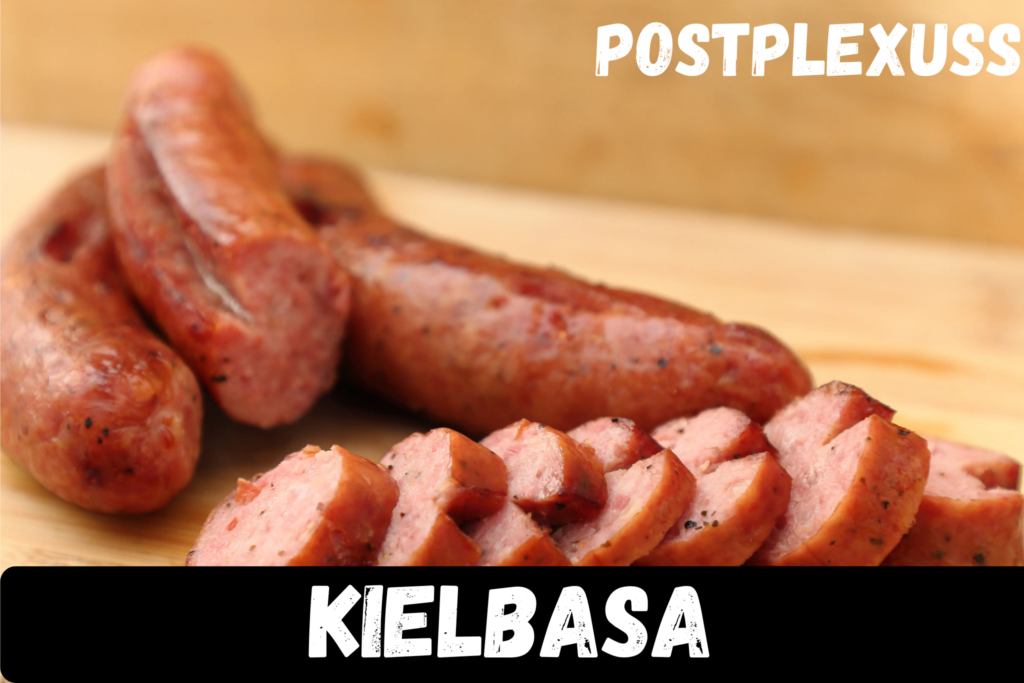

the ultimate guide to kielbasa
you know how some foods just feel like a warm hug? the kind that fills the kitchen with an aroma so good neighbors mysteriously find a reason to stop by? yeah, that’s kielbasa for you. whether you’ve grown up with it sizzling on a weekend grill or you’re just now curious about that curved, smoky sausage at the deli counter, there’s a whole world waiting to be explored. and honestly, it’s a delicious world to get lost in.
people walk into polish delis all the time, see a dozen different options hanging in the case, and just point at random. nothing wrong with that—sometimes the best discoveries happen by accident. but if you’d rather know exactly what you’re bringing home to the family dinner table, you’ve come to the right place.
what is kielbasa?
let’s start with the basics because honestly, the name itself trips people up sometimes. kielbasa simply translates to “sausage” in polish. that’s it. but here’s the thing—when most people outside of poland say “kielbasa,” they’re usually talking about that specific style of polish sausage that’s become famous worldwide.
think of it like this: if you walked into a butcher shop in warsaw and asked for kielbasa, they’d probably ask “which one?” because over there, it’s a category, not a single thing. kind of like how we say “sandwich” but mean a thousand different combinations.
what makes it special though? the flavor profile is unmistakable. you’ve got garlic—always garlic—plus this beautiful warmth from marjoram that somehow makes everything taste cozier. and smoke. lots of smoke. that smoked sausage character comes through in ways that make your mouth water just thinking about it.
you’ll often spot it in its classic u-shaped sausage form, curved naturally from the smoking process. it’s become such a familiar sight at cookouts and holiday tables across america, especially in places with strong polish communities. chicago comes to mind immediately—those folks take their sausage seriously.
this is quintessential eastern european sausage, born from centuries of tradition where preserving meat through smoking and curing wasn’t just about flavor—it was about survival through harsh winters. lucky for us, those survival techniques turned into culinary treasures.
the main types of kielbasa you need to know
alright, so if kielbasa means sausage broadly, what are we actually looking at when we browse the options? the types of kielbasa out there might seem overwhelming at first, but once you understand a few main categories, you’ll be navigating that deli case like a pro. the kielbasa varieties run deep, but let’s focus on the ones you’re most likely to encounter and actually want to eat.
kielbasa wiejska (country style)
if there’s one to start with, this might be it. kielbasa wiejska translates to country style sausage, and it’s exactly what you’d imagine a polish grandmother making in the countryside would serve. the texture is coarse—you can actually see the chunks of meat when you slice into it. none of that mystery meat paste here.
the flavor is beautifully smoky with this subtle sweetness from the pork and just enough garlic to let you know it’s there without overpowering everything else. it’s thick, satisfying, and absolutely perfect thrown on a grill until the casing gets that snappy bite.
kielbasa krakowska (krakow style)
now this one looks different right away. kielbasa krakowska comes from the krakow region, and it’s usually formed into this thick, horseshoe shape with visible chunks of lean meat throughout. the texture is firmer than wiejska, almost like a really good ham combined with sausage.
here’s the interesting part—people often serve this one cold. slice it thin, put it on a platter with some cheese and pickles, and you’ve got yourself a spread that would make any polish host proud. it’s also fantastic grilled, but honestly? try it cold first. there’s something about the way the flavors settle when it hasn’t been heated that really shows off the craftsmanship.
kielbasa biala (white sausage)
pay attention here because this one trips people up all the time. biala kielbasa means white sausage, and it looks pale because it’s unsmoked. raw, essentially. you cannot eat this straight from the package like you might with smoked versions.
it’s often sold in those coiled loops, looking almost like ropes of fresh sausage links connected together. the texture is softer, more pliable. and the flavor? much milder, letting the fresh meat and seasonings shine without that heavy smoke influence.
so what do you do with it? traditionally, you drop it in simmering water—not boiling, simmering—until it’s cooked through. then some folks throw it on the grill for a minute to get some color. it’s the essential sausage for polish easter breakfast, often served with horseradish on the side. absolutely fantastic, but remember: must be cooked.
kabanosy
these are the snack sticks you never knew you needed. kabanosy are thin, dry, incredibly smoky sausages that look like skinny pepperoni sticks but taste way better. they’re cured and dried, which means they keep forever practically, and you can just throw them in a backpack for hiking or keep them in the desk drawer for those 3 pm hunger crashes.
the texture is firm, dry, and they snap when you bend them. each one is usually folded in half because they’re long and thin. perfect with cheese, perfect with beer, perfect alone while standing in front of the open fridge at midnight—not that anyone would do that.
more varieties worth knowing
the world of polish sausage doesn’t stop there. you’ve got kielbasa weselna, which literally means wedding sausage—traditionally served at celebrations, usually hot, often with horseradish. it’s typically thicker, meant to be sliced and shared.
kielbasa swieza is your fresh sausage option. no smoking, no curing. just ground meat and seasonings ready to be cooked however you want. think of it like breakfast sausage links but with that polish garlic-marjoram profile.
for something truly special, there’s kielbasa lisiecka. this one carries a protected designation of origin status in the european union, which is fancy speak for “you can only call it this if it’s made in this specific region, this specific way.” it’s from the area around krakow and represents centuries of butchery tradition.
you might also run into podwawelska, which is less a type and more a specific brand that’s become so popular it’s practically its own category. it’s a thick, chunky sausage named after the wawel castle area, and you’ll find it in pretty much every polish grocery store.
for the adventurous eaters, mysliwska (hunter’s sausage) offers a drier, more intense experience. it’s heavily smoked and seasoned, perfect for—you guessed it—hunters who needed something that would keep during long days in the forest.
and if you see jalowcowa on a label, you’re in for something special. juniper berries give this one a distinct piney, almost gin-like flavor that pairs beautifully with game meats and strong cheeses.
is kielbasa already cooked?
this might be the most important question anyone can ask about kielbasa, and honestly? the answer isn’t always straightforward. understanding is kielbasa already cooked saves you from either serving raw sausage to guests or overcooking something that just needed warming up.
here’s the deal—fresh vs smoked kielbasa changes everything.
smoked kielbasa
most of what you find in regular american grocery stores falls into this category. that golden-brown, curved sausage hanging in the meat department? smoked. fully cooked, actually. the smoking process heats it through while adding that signature flavor.
so when you buy smoked kielbasa, you’re essentially buying a fully cooked product that just needs warming. you can slice it cold onto a sandwich if you wanted to—it’s safe. but let’s be real, it tastes way better heated up. throw it on the grill until the casing browns and starts to pop. pan-fry it in slices until the edges crisp up. bake it with sauerkraut until everything melds together. the goal isn’t food safety anymore—it’s deliciousness.
fresh (biala) kielbasa
this is where people get confused. biala kielbasa looks cooked? kind of? it’s pale, sometimes pinkish, and definitely sausage-shaped. but nope. completely raw. must be cooked thoroughly.
if you bring home fresh kielbasa, you’ve got options for how to cook it, but cook it you must. boiling is traditional—gentle simmer in water or broth until it’s firm and cooked through. then you can finish it on the grill or in a pan if you want color. some folks parboil it first, then throw it right on the grill. works beautifully.
the giveaway is always the color and the label. pale and pliable? cook it. golden-brown and firm? probably ready to eat, though you’ll still want to heat it for best results.
how to cook kielbasa
people search for how to cook kielbasa constantly, and the answer depends entirely on which type you bought and what you’re craving. different methods bring out different qualities, and honestly, there’s no single right way.
grilled kielbasa
summer cookouts practically demand grilled kielbasa. there’s something about that open flame hitting the sausage, making the casing tighten up and eventually split just slightly, releasing some of those fatty juices onto the coals below. the smoke that billows up carries that garlic and marjoram scent everywhere.
medium heat works best. you want the inside warmed through without burning the outside before that happens. about 10-15 minutes total, turning occasionally. if it’s fresh kielbasa, you’ll need longer since it’s starting from raw.
pan-fried kielbasa
for quick weeknight dinners, pan-fried kielbasa saves the day every time. slice it on the bias—those diagonal cuts look nicer and give you more surface area for browning—and throw the pieces into a hot skillet. no oil needed usually; the sausage renders plenty of fat on its own.
the edges get crispy while the inside stays juicy. toss in some sliced onions halfway through and let them caramelize in those sausage drippings. serve with mustard and bread, and you’ve got dinner in under 15 minutes.
boiled kielbasa
this one gets a bad reputation sometimes because people imagine bland, waterlogged sausage. but boiled kielbasa—especially when done right—has its place. for fresh biala, gentle simmering in water or broth is actually the traditional preparation.
even with smoked kielbasa, a quick simmer can warm it through without drying it out. some people add beer or onions to the water for extra flavor. then you can serve it with horseradish and bread, polish-style, or pull it out and throw it on the grill for a minute to get some color.
baked kielbasa
when you want dinner with minimal hands-on time, baked kielbasa delivers. throw it in a roasting pan with quartered potatoes, chunks of cabbage, maybe some carrots and onions. drizzle with oil, season simply, and let the oven do the work.
the sausage releases its fat and flavors everything around it. the potatoes soak up those juices. the cabbage caramelizes at the edges. by the time it’s done, you’ve got a complete meal in one pan with almost no active cooking required.
confirming smoked kielbasa
when you’re dealing with smoked kielbasa, there’s always that question of confirming if it’s pre-cooked. look at the color and texture first. deeply golden to brown? almost certainly smoked and cooked. pale and soft? probably fresh. when in doubt, check the package label—it’ll usually specify if it’s fully cooked or needs thorough cooking.
classic pairings and dishes
kielbasa rarely stands alone. it’s part of a bigger picture, a supporting actor that sometimes steals the show but works best in ensemble casts.
kielbasa and sauerkraut
this combination is practically religious in polish cooking. the tangy, sharp sauerkraut cuts through the richness of the sausage perfectly. they balance each other out in ways that make you wonder who first thought to put them together.
you can keep it simple—just sliced sausage heated with sauerkraut in a pan until everything warms through. or you can build it up with caraway seeds, maybe some apple for sweetness, a splash of white wine. serve it with boiled potatoes or crusty bread, and you’ve got comfort food that’s been feeding families for centuries.
kapusta and kielbasa
kapusta and kielbasa takes things a step further. kapusta isn’t just plain sauerkraut—it’s often stewed sauerkraut, sometimes with added fresh cabbage, cooked slowly until it’s tender and mellow. the sharp edge of the fermented cabbage softens into something almost buttery.
when you add kielbasa to that simmering pot, the sausage releases its smoky, garlicky goodness into the kraut, and the kraut returns the favor by infusing the sausage with its tang. it’s a beautiful relationship, really. some versions include mushrooms, some have chunks of bacon, but the kielbasa remains the star.
why kielbasa matters
look, at the end of the day, kielbasa is just sausage. but it’s also not. it’s sunday dinners with family. it’s holiday tables groaning under the weight of food. it’s the smell that tells you someone’s cooking something good, something that takes time and care.
every region of poland has its own version, its own recipe passed down through generations. every butcher adds their personal touch. every family swears their grandmother’s was the best. and you know what? they’re all right.
whether you’re grilling up some wiejska for a summer barbecue, simmering biala for a traditional polish breakfast, or just snacking on kabanosy while watching the game, you’re participating in something bigger than yourself. you’re connecting to centuries of tradition, to people who figured out how to take simple ingredients—pork, salt, garlic, spices—and turn them into something magical.
so next time you’re at the store, grab something you haven’t tried before. maybe that krakowska you’ve been eyeing. maybe some jalowcowa if you’re feeling adventurous. throw it in a pan, invite some people over, and see what happens.
that’s really what kielbasa is all about anyway—bringing people together around something delicious.