
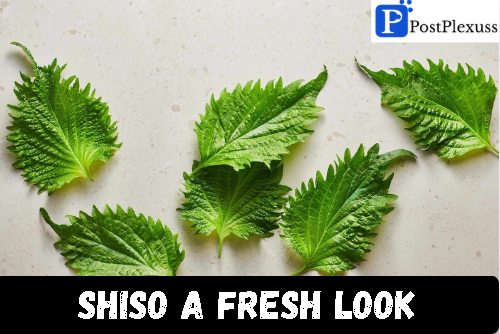

There’s something quietly fascinating about herbs that don’t try too hard. They don’t shout for attention like chili peppers or dominate dishes like garlic. Instead, they slip into meals gently, changing everything without overwhelming anything. The shiso herb is one of those plants.
Across Japan, Korea, and parts of China, this leafy green has long been part of daily cooking. Yet outside Asia, many people are just discovering it. Some recognize it as perilla leaves. Others may have seen it used as a shiso sushi garnish and wondered what that bright, jagged leaf actually was.
The truth is carries a long history, a surprisingly complex flavor, and impressive nutritional value. It’s far more than just decoration on a plate.
What Is Shiso?
At its core, shiso refers to perilla frutescens, a leafy annual plant belonging to the mint family. The botanical name, perilla frutescens, may sound clinical, but the plant itself feels anything but. It grows quickly, smells fragrant when brushed, and thrives in warm weather.
The plant has been cultivated for centuries throughout East Asia. In Japan, it became deeply embedded in food culture and is often called Japanese to distinguish it from regional variations. In Korea, it appears as kkaennip leaves, and in other contexts, it may be referred to as the beefsteak plant due to the reddish tint of certain varieties.
Origins and History
Historically, perilla herb was valued not just for taste but also for wellness. Ancient texts from China mention planting perilla for both cooking and medicinal use. Over time, perilla in Asian cooking evolved into countless preparations — fresh, pickled, salted, fried, and even brewed into tea.
Japan especially embraced it as one of its traditional Japanese herbs. It found its place in home kitchens, street food stalls, and high-end restaurants alike. Meanwhile, shiso in Korean cuisine took on a slightly different identity, often appearing grilled or wrapped around rice and meat dishes.
It’s a plant with cultural roots as strong as its aroma.
Other Names You Might Hear
Depending on where someone encounters it, might be called:
perilla
perilla herb
kkaennip leaves
beefsteak plant
That often leads to a common question: is shiso the same as perilla? Botanically, yes. However, culinary traditions may highlight different varieties or preparation styles.
Red vs. Green Shiso Varieties
There are two primary types: green and red shiso.
Green shiso is the more commonly used fresh herb. It’s bright, aromatic, and frequently used raw.
Red shiso carries a deeper color and slightly earthier taste. It’s often associated with umeboshi and combinations, where the leaf helps color and flavor pickled plums. Many people also talk about the benefits of red, especially in traditional wellness contexts.
Both varieties come from the same species, yet they bring slightly different personalities to the table.
What Does Shiso Taste Like?
Anyone asking what does taste like usually expects a simple answer. But shiso doesn’t make it easy.
Its shiso flavor profile is layered. At first bite, there’s a hint of minty freshness. Then something basil-like appears, followed by a faint citrusy brightness. Some even detect subtle notes of anise.
It’s not overpowering. Instead, it dances lightly across the palate.
Flavor Profile and Aroma
When someone tears leaves by hand, the aroma rises immediately. It’s green and lively. That scent alone explains why it works so well as a sushi garnish — it refreshes the senses between bites of fish and rice.
The texture is soft yet structured, similar to basil but slightly sturdier.
Shiso vs Basil vs Mint
A vs basil comparison often comes up because both belong to the mint family. Basil is sweeter and more straightforward. Mint is cooler and sharper.
Shiso sits somewhere between them. It has mint’s brightness but without the intense chill. It shares basil’s herbal depth but introduces citrus notes that neither basil nor mint quite replicate.
In short, it’s familiar — yet unmistakably its own.
Nutritional Value of Shiso
Beyond taste, the nutritional value is one reason this herb has endured for generations.
Despite being light and delicate, it contains a range of nutrients in small but meaningful amounts. Like many Asian herbs, it carries compounds that support overall well-being.
Key Vitamins and Minerals
Shiso leaves provide:
Vitamin A
vitamin C
Calcium
Iron
They are low in calories, making them an easy addition to meals without altering dietary balance.
Antioxidants and Plant Compounds
One of the more discussed aspects is perilla antioxidant properties. The plant contains flavonoids and rosmarinic acid, compounds associated with cellular protection.
Because of these properties, health benefits are often mentioned in traditional practices. It has been categorized among anti-inflammatory herbs in herbal discussions, and some people turn to for digestion support after heavier meals.
Traditional and Modern Uses
In traditional settings, medicinal uses ranged from easing stomach discomfort to helping with seasonal sensitivities. Shiso tea benefits are still appreciated today, particularly when the leaves are steeped fresh.
It’s not a miracle plant, but it’s certainly not just garnish either.
A Note on Culinary Versatility
The beauty of shiso lies in how seamlessly it moves between cultures and dishes.
It appears in in Japanese cuisine through tempura, wraps, and fresh pairings. There’s shiso tempura, crisp and light. There’s pesto, a modern twist blending East and West. Some enjoy a simple salad, while others experiment with pickled for deeper flavor.
Cooks searching for how to use often start small — adding it to a leaf recipe or incorporating it into rice bowls.
Meanwhile, shiso in Korean cuisine commonly features grilled kkaennip leaves brushed with sesame oil and spices. Different countries, same plant, distinct personality.
Growing Interest at Home
As curiosity grows, many people explore how to grow shiso themselves. Growing at home is surprisingly manageable.
It begins with shiso seeds, planted in well-draining soil. Paying attention to shiso soil conditions and shiso sunlight requirements makes a noticeable difference. The plant prefers warmth and partial sun.
With steady watering and simple shiso plant care, harvesting shiso leaves can begin within weeks. For those curious about planting perilla in small garden beds or containers, it adapts well.
Fresh leaves can then be stored properly — and for those wondering how to store refrigeration wrapped in a damp towel works well.
Anyone unsure where to buy fresh leaves can usually find them at Asian grocery markets before attempting home growth.
doesn’t try to impress. It doesn’t demand center stage. Yet once someone becomes familiar with it, it tends to stay in their kitchen rotation.
It’s fragrant without being loud. Nutritious without being marketed as a superfood. Traditional yet flexible enough for modern cooking.
And maybe that’s exactly why it continues to thrive.


Pingback: Plane Crash DC: Latest Updates, Investigation & Impact - PostPlexuss