


In today’s fast-moving digital world, people often feel pressure to look perfect online. However, the idea of being authentic whatutalkingboutwillis reminds us that real success begins with honesty and self-awareness. Instead of copying trends, it encourages you to embrace your authentic self and share your true self expression with confidence.
When you focus on personal authenticity, your actions naturally reflect your beliefs and values. This creates stronger trust with others and builds meaningful relationships. Being Authentic WhatUTalkingBoutWillis Many people now prefer real stories over polished images because authenticity feels relatable. By choosing authentic living and developing an authentic voice, you create a life that reflects who you truly are rather than who the world expects you to be.
What Does “Being Authentic WhatUTalkingBoutWillis” Really Mean?
The phrase Being Authentic WhatUTalkingBoutWillis reflects the desire to live truthfully without pretending. At its heart, it is about honoring your authentic voice, showing your genuine personality, and choosing authentic living over social performance. Being Authentic WhatUTalkingBoutWillis This mindset focuses on clarity, honesty, and respect for your own beliefs.
Understanding the being authentic whatutalkingboutwillis meaning requires recognizing how identity works in modern life. Being Authentic WhatUTalkingBoutWillis When people embrace living truthfully and expressing individuality online, they strengthen their authentic lifestyle and develop deeper real human connection with others.
The Origin and Cultural Influence of “WhatUTalkingBoutWillis”
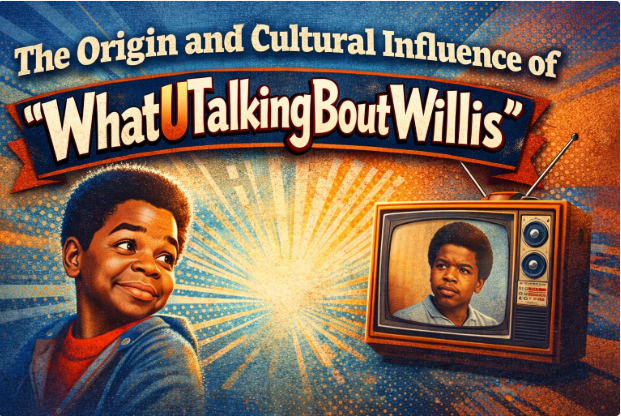
The famous phrase “What you talkin’ ‘bout, Willis?” became popular through American television culture. Over time it evolved into a humorous way of questioning confusing statements. Today it also symbolizes curiosity and skepticism. Being Authentic WhatUTalkingBoutWillis In the context of Being Authentic WhatUTalkingBoutWillis, the phrase reflects questioning false appearances.
Culturally, the phrase represents a shift toward honesty. Being Authentic WhatUTalkingBoutWillis It supports the idea that people should challenge artificial identities and value truth. Being Authentic WhatUTalkingBoutWillis This influence connects strongly with authentic creativity and originality and supports the broader realness in digital culture where audiences prefer sincerity over staged perfection.
| Cultural Element | Influence on Authenticity |
| Pop culture phrases | Encourage questioning fake behavior |
| Social media trends | Increase demand for honesty |
| Creative communities | Promote originality and self-expression |
Why Authenticity Is Difficult in the Modern Digital Age
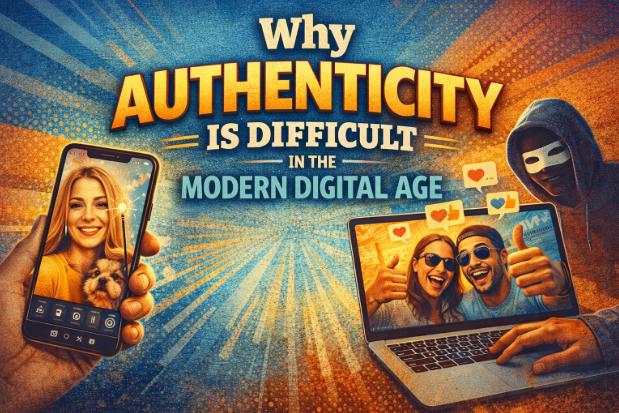
Technology connects people globally. However, it also creates pressure to appear perfect. Many users feel forced to maintain a polished real identity online, which weakens honest personal branding. This challenge highlights the complexity of authenticity in social media.
Digital platforms reward attention rather than truth. As a result, individuals often struggle with finding your authentic voice while balancing expectations. Despite these challenges, those who focus on authentic self expression online often build stronger trust and credibility with their audiences.
Signs You May Be Losing Your Authentic Self
Sometimes people slowly disconnect from their identity. They may constantly seek approval or imitate trends that do not reflect their beliefs. These behaviors weaken the authentic self and disrupt personal values and identity.
Another warning sign is emotional discomfort. When actions contradict personal beliefs, people feel stress and confusion. Recognizing these signals helps individuals return to authentic living and rebuild individuality and self awareness.
| Warning Sign | Description |
| Constant comparison | Measuring self-worth against others |
| Hiding real opinions | Avoiding honest conversations |
| Social media pressure | Creating a false real identity online |
The Psychology Behind Authentic Living
Psychologists often explain authenticity as alignment between beliefs, actions, and emotions. When people live honestly, their behavior reflects their internal values. This harmony strengthens authenticity and mental well being.
Research also shows that authenticity improves confidence and happiness. Practicing living truthfully reduces stress and increases the emotional benefits of authenticity. Over time, individuals develop stronger self-awareness and maintain a stable authentic lifestyle.
| Psychological Benefit | Result |
| Self-awareness | Better understanding of identity |
| Emotional balance | Reduced stress and anxiety |
| Honest communication | Improved relationships |
Practical Ways to Practice Authenticity Every Day

Developing authenticity requires daily habits. Simple actions such as honest conversations, reflective journaling, and thoughtful decision-making help strengthen personal authenticity. Practicing authentic communication also builds trust with friends and colleagues.
Another important step is embracing vulnerability. When people stop fearing mistakes, they become more comfortable with honest self expression. Learning overcoming fear of judgment encourages people to protect their authentic voice and live according to their values.
Authenticity in Different Areas of Life (Relationships, Career, and Creativity)
Authenticity influences every part of life. In relationships, honesty strengthens bonds and encourages building authentic relationships. When individuals show their true emotions and intentions, they develop deeper real human connection.
Professional environments also reward authenticity. Leaders who practice authentic leadership and career growth inspire trust and innovation. Meanwhile, artists and writers benefit from authentic creativity and originality, which allows their work to stand out and reach wider audiences.
| Area of Life | Role of Authenticity |
| Relationships | Strengthens trust and honesty |
| Career | Builds credibility and leadership |
| Creativity | Encourages originality and innovation |
Common Myths and Misconceptions About Being Authentic
Many people misunderstand authenticity. Some believe authenticity means sharing every thought publicly. In reality, authenticity involves thoughtful authentic communication rather than oversharing.
Another myth suggests authenticity prevents growth. In truth, authenticity encourages improvement because people accept their strengths and weaknesses. Maintaining an authentic lifestyle allows individuals to grow while staying loyal to their personal values and identity.
The Long-Term Benefits of Living Authentically
Living authentically brings lasting rewards. People who practice authentic living build stronger trust with others. Over time they experience the value of genuine connections and enjoy healthier relationships.
Authenticity also improves personal satisfaction. Individuals who prioritize their authentic self and maintain honest personal branding often achieve greater happiness and professional success. These benefits reinforce the lasting importance of authenticity in modern life.
| Long-Term Benefit | Impact |
| Stronger trust | Better relationships |
| Emotional stability | Improved well-being |
| Personal success | Clear sense of identity |
FAQs
What are the 5 pillars of authenticity?
The five pillars are self-awareness, honesty, integrity, vulnerability, and consistency. Together they help a person live truthfully and stay aligned with their values.
What does God say about being authentic?
Many religious teachings encourage honesty and humility. For example, The Bible teaches believers to live truthfully and avoid hypocrisy.
What does being authentic actually mean?
Being authentic means staying true to your beliefs, values, and personality instead of pretending to meet others’ expectations.
What are the three types of authenticity?
The three common types are personal authenticity (true to yourself), relational authenticity (honest with others), and professional authenticity (genuine in work and leadership).
What are the signs of an authentic person?
Authentic people communicate honestly, accept their strengths and flaws, stay consistent with their values, and build genuine relationships.
What are the four behaviors of authenticity?
Key behaviors include self-awareness, transparent communication, balanced decision-making, and actions that match personal values.
Conclusion: Embrace the Real You
The concept of Being Authentic WhatUTalkingBoutWillis encourages people to live with honesty, courage, and clarity. In a world filled with artificial images, choosing true self expression and protecting your authentic voice becomes a powerful act of self-respect.Ultimately, authenticity is not a trend but a lifelong practice. By focusing on authentic living, strengthening individuality and self awareness, and valuing real human connection, you create a life built on truth, confidence, and meaningful relationships.
more blog